Event · 26 Jan 2026 · Openr · 2 min read
Why hospitality struggles to execute pricing: highlights from the RMI panel
Hospitality loses revenue when good pricing decisions are slow and manual to put live. That was the starting point for a panel session at RMI in January 2026, which looked at where execution breaks down, why chasing airline-style pricing is a distraction, and how operators can turn proven tactics such as event menus and local price bands into measurable gains.
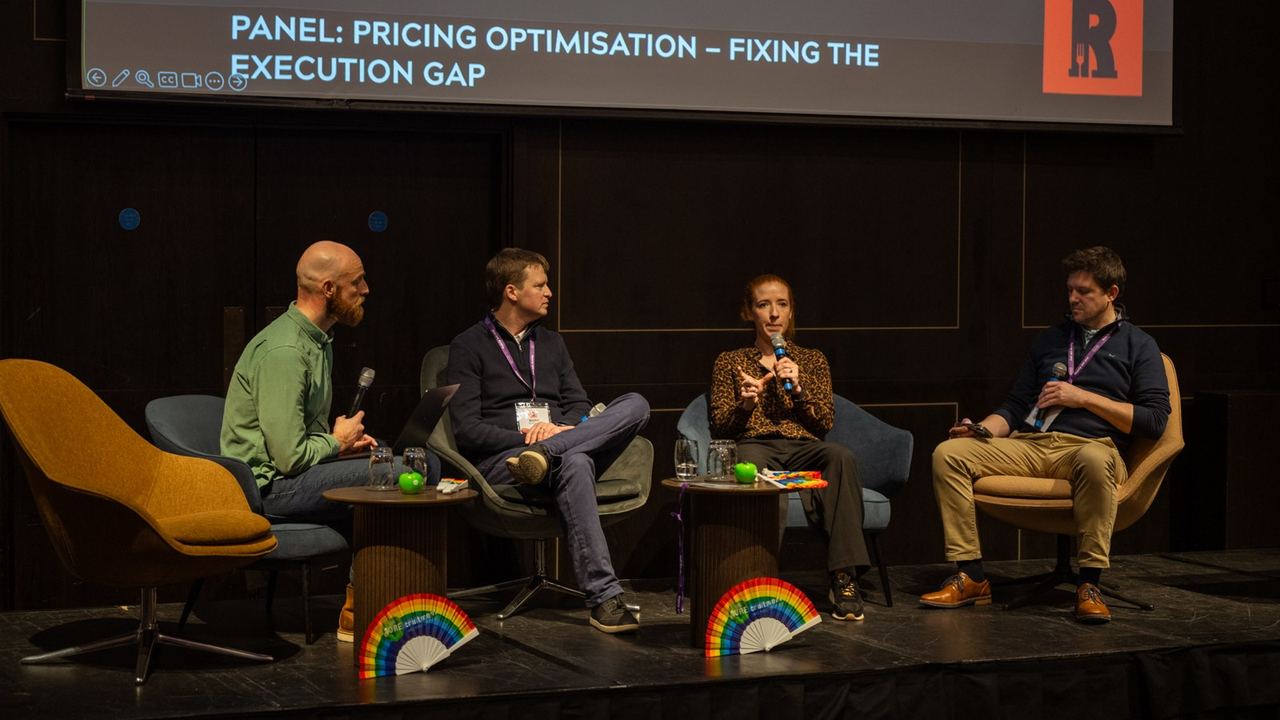
On the panel
- Sara McKennedy, Managing Director, Coco di Mama (Azzurri Group)
- Mark Bentley, Business Development Director, Hospitality Data Insights (HDI)
- Toby Herbert, Head of IT, Hall & Woodhouse
1. Hospitality is behind other sectors
Both Toby and Mark came into hospitality from sectors where pricing is managed actively: luxury hotels and product retail. What was standard practice there doesn't yet exist in most restaurants and pubs. For Hall & Woodhouse, the first job was fixing its inability to get menus and prices live quickly. For Mark, the biggest barrier is data: without the right data, a proactive pricing strategy is very hard to run.
2. The opportunity is channel by channel and site by site
Coco di Mama trades through restaurants, delivery and dark kitchens, fresh products in hundreds of supermarkets, and office catering, and guests use each channel differently. Sara sees a big opportunity in understanding how price affects revenue in each one. Toby sees the same at Hall & Woodhouse, across a varied estate and product range, once the limits on menu and pricing agility are removed. Mark added that operators increasingly want to understand how they price against competitors, but the expertise to model pricing on that data is still new to hospitality.
3. Confidence comes from testing
Coco di Mama has started testing prices across a limited number of channels to learn how pricing affects different day-parts, and is documenting each test and its outcome so the team can build on them.
4. Looking ahead
Sara sees a time when pricing strategy matters more than promotion for the brand. Toby described 2026 as a year of two halves: putting the pricing and menu infrastructure in place first, then testing different pricing strategies, working with Openr. Mark's view: this is the year pricing strategy becomes a must-have in the sector.