Perspective · 3 Dec 2025 · Nick Liddle, Chief Customer Officer · 3 min read
Event intelligence: the pricing edge operators can't afford to ignore
Surge pricing gets most of the attention in hospitality, but the biggest driver of demand is the calendar. Concerts, sporting fixtures, school holidays and local events around each site shift footfall in ways that are entirely predictable. The real question is whether your pricing and menus move with them.
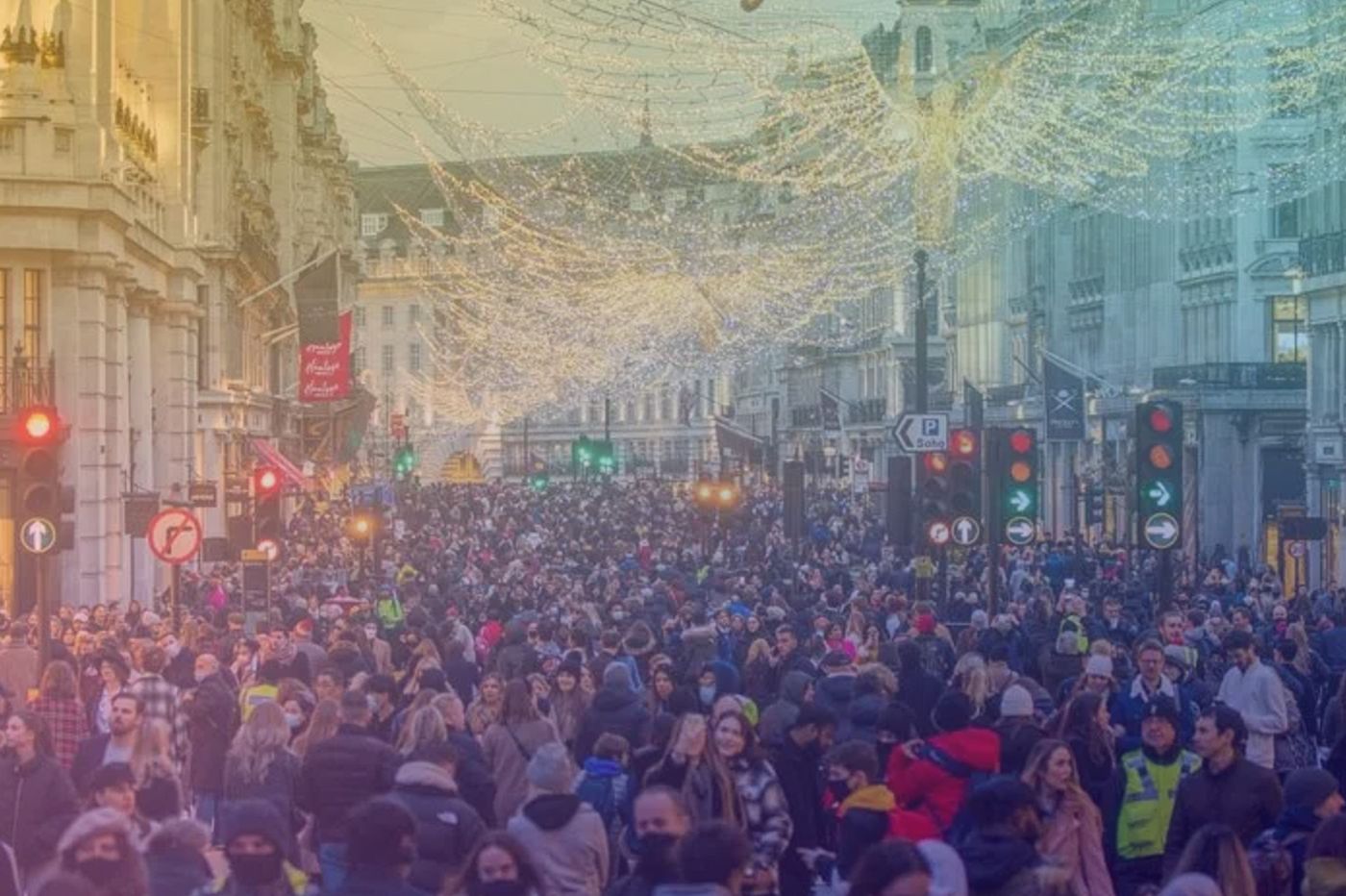
Demand is predictable, yet operators are leaving margin on the table every week because their systems can't keep up with what's already known. Christmas makes this painfully clear. It's simply the loudest version of a pattern that runs all year. Demand rises and falls around events, yet most teams still struggle to respond quickly because approval cycles are slow, systems aren't connected, and every change is a mini-project in its own right.
Where operators lose value
Events shape real behaviour: covers, dwell time, spend per head, even product mix. But the operational reality around events is messy. One team is building a seasonal menu, another is creating an offer for a big fixture, marketing is producing assets, and EPoS programming becomes the final bottleneck. Menus land late, price changes arrive in patches, and teams spend the first week of December scrambling to fix it.
The ambition is there. The process behind it was never built for speed or variation.
Christmas shows the symptoms
December exposes the cracks: scattered systems, manual reprogramming, mismatched price bands and sign-off delays. Operators often make their best margins from festive bundles and premium seasonal lines, but the workflow behind them is fragile. And if December is the only time you switch on an event strategy, you're leaving margin untouched for the other eleven months.
Event-led pricing without the complexity
One national price band can't serve a West End site the same way it serves a suburban family pub. A Premier League fixture doesn't affect every location equally. And a half-term lift in one area can leave another completely flat.
A smarter approach is to let events decide where and when pricing or menu changes matter, without creating more work for teams.
With the right event data feeding connected menus and pricing, operators can:
- Lift premium lines ahead of concerts
- Switch on pre-theatre bundles where the pattern fits
- Run family offers only where half-term really affects footfall
- Adjust local price points without multiplying manual variants
When this becomes systematic, the commercial impact compounds. A year-round event engine gives operators a repeatable, reliable way to act on predictable demand, and it's far more valuable than speculative surge pricing.
A playbook that scales
A strong event engine has four parts.
1. A single view of every event
National moments, local happenings and micro-events tied to individual sites.
2. Clear commercial rules
Define which events trigger menu switches, bundles, upgrades or modest price adjustments.
3. Deployment without the bottlenecks
Push updates to EPoS, apps, websites, kiosks, delivery platforms and print without the usual approval choke points or EPoS queues.
4. A feedback loop that improves each cycle
See what landed well and what didn't, and refine the approach for the next event.
Done well, this goes beyond efficiency and becomes part of your commercial advantage.
Why this matters now
Margins are tight and demand is uneven. Operators can't afford pricing or menu decisions that lag behind predictable events. The calendar already tells you where demand is heading; most operators just aren't using it systematically.
Christmas may be your biggest moment, but it shouldn't be the only time the business adapts to what's happening around each site. The calendar is your most reliable pricing lever: predictable, local and, with the right tools, easy to deploy at scale. Operators who build event intelligence into their commercial systems will win December and find margin across every season and every location they operate in. The calendar is already shaping your demand. The question is whether your pricing keeps pace every week of the year.